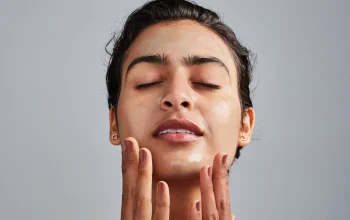
Let’s be real for a second. We spend a lot of time — and money — on our faces. Serums, moisturizers, SPF, the works. But what about our hands? Honestly, they’re usually the first thing to show age, stress, or neglect. And yet, we often treat nail and cuticle care like an afterthought. A quick swipe of polish, a bottle of harsh remover, and we’re done. But here’s the deal: your nails and cuticles are part of your skin. And if you’re going full-on with a non-toxic skincare routine, they deserve the same love.
So, let’s talk about non-toxic nail and cuticle care as part of skincare — not as a separate chore, but as an extension of your daily ritual. It’s simpler than you think. And honestly, it feels pretty luxurious once you get into the groove.
Why your cuticles are basically the lip balm of your hands
Think about it. Your cuticles are that thin, delicate barrier at the base of your nail. They’re like the lip line of your fingertips — super sensitive, prone to dryness, and easily irritated. When they’re healthy, everything looks smoother. When they’re cracked or inflamed? Ouch. And that’s where most conventional nail products mess up. They’re loaded with formaldehyde, toluene, phthalates — stuff you wouldn’t put on your face, right? So why slather it on your hands?
I mean, sure, your nails are harder than skin. But the surrounding tissue? It absorbs everything. That includes acetone-based removers, drying polishes, and those so-called “cuticle removers” that are basically chemical burn in a bottle. Not cute.
The hidden nasties in your nail polish remover
Let’s zoom in on one common culprit: acetone. It’s effective, yeah. But it strips natural oils like a harsh cleanser strips your face. Over time, it leads to brittle nails, peeling cuticles, and that tight, dry feeling you hate. Non-toxic alternatives? They use ethyl acetate or soy-based formulas. They take a few seconds longer to work, but your nail beds will thank you.
And here’s a little trick I picked up: instead of soaking a cotton ball in remover and pressing hard, try a gentle press-and-hold for ten seconds. Less friction, less damage. Feels almost meditative.
How to build a non-toxic nail and cuticle routine (that actually sticks)
You don’t need a 12-step process. In fact, overdoing it can backfire. The goal is consistency, not complexity. Here’s a simple flow I’ve settled into — and it works for most skin types, even sensitive ones.
- Step 1: Ditch the drying soap. Wash your hands with a gentle, sulfate-free cleanser. Something with aloe or oat milk. Your cuticles will feel less stripped.
- Step 2: Oil up before bed. Jojoba oil is the closest match to your skin’s natural sebum. Massage a drop into each cuticle. Do it while watching TV. It’s weirdly satisfying.
- Step 3: Use a glass nail file. Metal files create micro-tears. Glass files seal the edge. Less splitting, less hangnails.
- Step 4: Skip the cuticle trim. Seriously. Pushing them back gently with a wooden stick after a shower is safer. Trimming often leads to bleeding and infection.
- Step 5: Choose “10-free” or “15-free” polish. These avoid the worst offenders. Brands like Zoya, Ella+Mila, or Kure Bazaar are solid picks.
That’s it. Five steps. No weird tools. No harsh chemicals. And your hands start looking… quieter. More rested. Like they belong to someone who drinks enough water and maybe does yoga.
What about nail strengtheners and treatments?
Good question. A lot of “strengthening” polishes are actually hardening agents that make nails brittle over time. They’re like putting superglue on a paper cut — temporary fix, bigger problem later. Instead, focus on hydration and protection. A non-toxic base coat with keratin or biotin can help, but don’t expect miracles overnight.
And here’s a weird one: some people swear by garlic or tea tree oil for nail health. I haven’t tried the garlic thing (smell, yikes), but tea tree in a carrier oil can help with minor fungal stuff. Just patch test first.
A quick table to compare common ingredients
| Ingredient | Found in | Why to avoid | Non-toxic swap |
|---|---|---|---|
| Formaldehyde | Nail hardeners, polish | Carcinogen, irritant | Keratin, bamboo extract |
| Toluene | Polish, remover | Neurotoxin, drys skin | Ethyl acetate (plant-based) |
| Dibutyl phthalate | Polish for flexibility | Endocrine disruptor | Camphor-free alternatives |
| Acetone | Remover | Strips natural oils | Soy-based or ethyl acetate |
| Parabens | Cuticle creams | Mimics estrogen | Vitamin E, shea butter |
See? It’s not about being perfect. It’s about making swaps that feel good. Your skin — yes, even the tiny strip around your nail — notices the difference.
Cuticle oil vs. cuticle cream: which one wins?
Honestly? Both have their place. Oil penetrates faster. Creams sit on top longer, which is great for overnight treatment. I use oil during the day — it sinks in quick, no greasy keyboard. Cream at night, under cotton gloves if I’m feeling extra. It’s like a face mask for your hands.
But here’s the catch: not all oils are created equal. Fractionated coconut oil is fine, but it can be a bit thin. Jojoba is king. Argan is a close second. And if you’re into DIY, mix a few drops of lavender or frankincense essential oil into a carrier. Smells amazing, and the aromatherapy bonus is real.
When your hands are your face (the big picture)
Here’s something I didn’t realize until recently: your hands touch your face constantly. Like, hundreds of times a day. So if you’re putting non-toxic stuff on your face but using conventional nail products, you’re basically cross-contaminating. That phthalate from your polish? It’s now on your cheek. That toluene residue? Hello, under-eye area. It’s a bit of a “well, duh” moment, but it’s easy to overlook.
So yeah, non-toxic nail and cuticle care isn’t just about pretty nails. It’s about what touches your skin, your lips, your eyes. It’s about reducing your overall toxic load without feeling like you’re sacrificing self-care.
A note on hand hygiene and over-washing
We’ve all been washing our hands more. That’s good. But it also dries out cuticles like crazy. If you’re using hand sanitizer, try one with aloe or glycerin. And always — always — follow up with a dab of oil. Think of it as a mini ritual. Wash, dry, oil. Takes ten seconds. Makes a world of difference.
I keep a little roller bottle of jojoba oil in my bag and one by my desk. Whenever I wash my hands, I roll it on. It’s become a habit, like applying lip balm before bed. You don’t even think about it after a while.
So, what does “non-toxic” really mean here?
It’s a loaded term, I know. Some brands slap it on a bottle with zero regulation. So here’s my rule of thumb: look for transparency. A brand that lists all ingredients, avoids common irritants, and doesn’t hide behind “fragrance” (which can be a cocktail of chemicals). Also, check for certifications like Leaping Bunny or EWG Verified. They’re not perfect, but they’re a good start.
And don’t stress about being 100% clean all the time. If you use a conventional polish once in a blue moon for a wedding? Fine. Your hands won’t revolt. It’s the daily habits that matter. The cumulative effect of small, conscious choices.
Final thought: your hands tell a story
They really do. They show how you garden, cook, type, hold your coffee mug. And when you care for them without harsh chemicals, they look… softer. More alive. It’s not about perfection — it’s about respect. Respect for your skin, your health, and the tiny details that make up your whole self.
So next time you reach for that nail polish remover, pause. Ask yourself: would I put this on my face? If the answer is no, maybe it’s time for a swap. Your cuticles — and your future self — will notice.