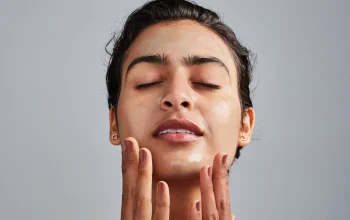
Let’s be honest: a bitter wind, sub-zero temperatures, and dry, indoor heat aren’t just uncomfortable. They’re a full-scale assault on your skin. If you live in—or are visiting—an extreme climate, you know the drill. That tight, itchy feeling. Flakes where you never had them. Cracks that seem to appear overnight. It’s a whole different ballgame compared to your standard winter routine.
Here’s the deal. Your skin is a brilliant barrier, but in extreme cold, it’s fighting a losing battle. Humidity plummets, both outside and inside. Harsh winds strip moisture. And that constant transition from freezing to toasty environments? It’s like asking your skin to sprint a marathon. But don’t worry. With the right, almost surgical approach, you can fortify your skin. Let’s dive in.
Understanding the Enemy: What Extreme Cold Actually Does
First, a quick science bit—without the jargon. Think of your skin’s outer layer, the stratum corneum, as a brick wall. The skin cells are the bricks; lipids (fats) are the mortar. Cold, dry air and wind actively degrade that mortar. It weakens, cracks, and allows precious water to evaporate. This is called transepidermal water loss, and it’s the root of most cold-weather skin woes.
Simultaneously, blood vessels in your skin constrict to conserve heat. This reduces blood flow and oxygen, slowing down skin’s natural repair processes. So you’re losing moisture faster and repairing slower. A brutal combo. That’s why a simple lotion won’t cut it. You need a strategy.
The Core Pillars of Your Extreme Climate Routine
1. Cleanse Gently, Very Gently
Strip away oils? No, thank you. In fact, your first move is to stop over-cleansing. Ditch foaming, sulfated cleansers that leave that squeaky-clean feel—that’s a sign your barrier is compromised. Opt for creamy, milky, or balm textures. Look for keywords like “hydrating,” “lipid-replenishing,” or “pH-balanced.” Honestly, sometimes just splashing with cool water in the AM is enough.
2. The Moisture-Then-Seal Method (Non-Negotiable)
This is the cornerstone. Think of it like dressing for the cold: you need a base layer (moisturizer) and a windproof jacket (occlusive).
- Humectants First: Apply products with hyaluronic acid, glycerin, or honey to damp skin. They pull water into the skin. But in dry air, they need a follow-up…
- Emollients Next: Ingredients like ceramides, squalane, and fatty acids. They smooth and fill the cracks in that brick wall we talked about.
- Occlusives to Lock It In: This is your barrier. Petroleum jelly (yes, good old Vaseline), thick creams with shea butter, or mineral oil. They create a physical seal, preventing water loss. At night, a thin layer of ointment on extra-dry patches is a game-changer.
3. Sunscreen? Absolutely.
A common, painful myth. Snow reflects up to 80% of UV rays, effectively doubling your exposure. Sunburn in winter is real, and UVA rays penetrate clouds and windows, accelerating aging. Use a broad-spectrum SPF 30+ mineral or chemical sunscreen on all exposed areas. Your future self will be grateful.
Targeted Tactics for Problem Zones
Extreme climates often create specific pain points. Here’s how to handle them.
Lips & Hands: The Constant Casualties
Lips have almost no protective outer layer. Licking them? Makes it worse. Use a waxy balm with emollients (like lanolin) during the day. At night, go heavy with a hydrating treatment under a dab of petroleum jelly. For hands, keep a tube of thick cream—containing ceramides and occlusives—by every sink. Apply after every wash. And for heaven’s sake, wear gloves. Every single time you go out.
Face & Cheeks: Windburn and Redness
Windburn is essentially a low-grade burn. Soothe with centella asiatica, aloe (if not too drying), and colloidal oatmeal. Reduce exfoliation to once a week, max. And consider a humidifier in your bedroom. It’s a quiet hero, adding just enough moisture back into the air to let your skin breathe and heal overnight.
A Week in Products: A Sample Routine
| Time | Step | Product Type / Key Ingredients |
| AM | Cleanse | Lukewarm water or milky cleanser |
| AM | Tone/Mist | Hydrating toner or thermal water spray on damp skin |
| AM | Treat | Antioxidant serum (Vitamin C) |
| AM | Moisturize | Rich cream with ceramides & fatty acids |
| AM | Protect | Broad-spectrum SPF 30+ & lip balm with SPF |
| PM | Cleanse (1st) | Balm or oil cleanser to remove SPF |
| PM | Cleanse (2nd) | Gentle hydrating cleanser |
| PM | Treat | Repair serum (hyaluronic acid, peptides) |
| PM | Moisturize & Seal | Rich night cream followed by occlusive on dry spots |
What to Avoid: Common Cold-Weather Blunders
It’s easy to get desperate and reach for the wrong thing. A few quick don’ts:
- Super Hot Showers/Baths: They feel amazing but dissolve your skin’s natural lipids. Go for warm, and keep it shorter.
- Over-Exfoliating: Scrubbing at flakes seems logical, but it weakens the barrier further. Be gentle.
- Ignoring Ingredients: High concentrations of drying alcohols, fragrances, and certain acids can be extra irritating when your skin is stressed.
- Waiting to Moisturize: Apply your products to damp, towel-patted skin. It traps that hydration.
Beyond the Bottle: Lifestyle Adjustments
Skincare isn’t just what’s in the jar. Hydrate from the inside—sip water consistently. Omega-3 fatty acids (from fish, flax, walnuts) help support your skin’s lipid layer. And that cozy wool scarf? Make sure it’s not rubbing directly against sensitive skin; use a soft cotton liner if needed.
In the end, surviving—and thriving—in an extreme climate is about respect. Respect for the harsh environment and for your skin’s basic, biological needs. It’s not about a ten-step routine, but about intelligent, consistent protection. You’re not just applying cream; you’re reinforcing a shield. And with that shield, you can face the cold with confidence, knowing your skin is as resilient as you are.